Reviewing Monochrome Woodland Plants and Animals
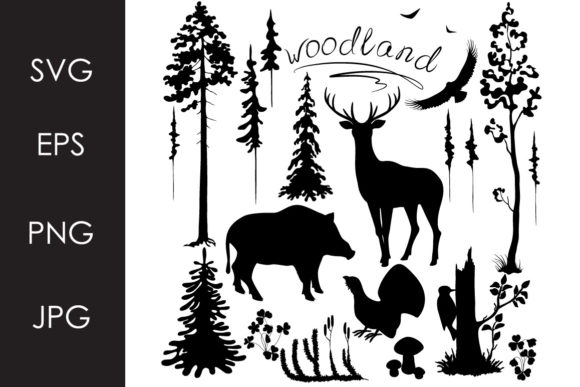
As a designer who has spent years digitizing patterns and stitching out thousands of test runs, I have learned that not every graphic translates well to thread. When I first opened the Monochrome Woodland Plants and Animals collection, my immediate reaction was one of cautious optimism. The premise is simple: a set of silhouettes featuring woodland plants, animals, trees, flowers, forest birds, deer, and wild boar. But simplicity in graphics does not always equal simplicity in embroidery. In fact, monochrome designs can be trickier than multicolored ones because they rely entirely on shape, negative space, and stitch texture to create visual interest.
I decided to put these Illustrations through their paces, imagining how they would perform in real-world scenarios for my clients and my own small shop. This is not just a review of digital files; it is an assessment of how these Graphics behave when subjected to the needle, the hoop, and the unforgiving nature of fabric.
The Aesthetic Appeal and First Impressions
The mood of this collection is serene, rustic, and timeless. The use of solid silhouettes creates a bold, graphic look that feels modern yet rooted in nature. For an embroidery project, this is a double-edged sword. On one hand, bold shapes are easier to read from a distance, making them ideal for items like tote bags or sweatshirts where the design needs to pop. On the other hand, large solid areas require careful management of stitch density to avoid puckering or stiffness.
The variety in the set is impressive. You have the delicate intricacy of forest flowers and the sturdy presence of deer and wild boar. This range allows for versatility. A single deer silhouette might work beautifully as a subtle chest emblem on custom apparel, while a cluster of trees and flowers could serve as a centerpiece for a pillow cover or a nursery decor item. The monochrome aspect means you are not fighting with color blending issues, which simplifies the digitizing process if you are converting these vector SVG or EPS files into a machine embroidery design yourself.
Real-World Application: The Tote Bag Test
To evaluate practicality, I envisioned a specific project: a heavy-duty canvas tote bag for a local farmer’s market vendor. This is a common request for Etsy sellers and craft business owners. The client wanted something durable, stylish, and quick to produce. I selected the wild boar silhouette from the Monochrome Woodland Plants and Animals set.
Because the design is a silhouette, it lends itself well to a fill stitch approach. However, a solid fill on canvas can become rigid. My recommendation here would be to use a patterned fill or a lighter density to maintain the drape of the fabric. If you are using the raster PNG or JPG files provided in the zip archive to manually digitize, pay close attention to the edges. Silhouettes need clean, defined borders. A satin stitch border around the fill can help define the shape and prevent fraying, but it must be narrow enough not to distort the overall proportion of the animal.
The result? A striking, high-contrast image that looks professional and intentional. It elevates a simple canvas bag into a boutique product. Customers are drawn to the clarity of the design. There is no visual noise, just pure form. This kind of clarity builds trust in the quality of the handmade product.
Navigating Fabric and Hoop Constraints
While these designs are versatile, they are not without their challenges. Here is where experienced judgment comes into play. If you are working with stretchy fabrics, such as those used for baby clothes or athletic wear, a large solid silhouette can cause significant distortion. The pull of the threads can warp the fabric, turning a graceful deer into a lopsided mess. In these cases, a proper stabilizer is non-negotiable. I would recommend a cut-away stabilizer for garments that will be washed frequently, ensuring the design remains stable over time.
Curved surfaces, like caps or hats, present another hurdle. Placing a wide landscape of trees and flowers on a curved cap panel can lead to registration issues. The design might look flat in the digital preview but appear stretched or compressed once stitched. For caps, I suggest isolating smaller elements from the Monochrome Woodland Plants and Animals set, such as a single bird or a small flower cluster, rather than attempting a complex scene.
Additionally, consider the hoop size. If you are working with a small 4x4 inch hoop, you may need to scale down the larger compositions. Be wary of losing detail. Tiny branches or delicate flower petals can become indistinct blobs if scaled too small. Always test the design on scrap fabric first. Check the stitch density and ensure that the running stitch underlay is sufficient to anchor the design without adding unnecessary bulk.
Commercial Viability and Brand Consistency
For small shop owners and digital product sellers, consistency is key. The monochrome nature of this collection makes it incredibly easy to brand. Whether you are stitching on dark denim or light linen, the silhouette style remains recognizable. This consistency helps build brand recognition. Customers begin to associate that clean, bold aesthetic with your shop.
When creating printable mockups or digital embroidery file previews, these graphics shine. They look crisp and professional in black and white presentations. This is crucial for online listings where customers cannot touch the product. A clear, high-contrast image in your Etsy listing can significantly improve buyer engagement. It signals professionalism and attention to detail.
However, before selling finished items, you must confirm the licensing terms. The zip archive includes vector and raster files, but does it grant commercial rights for physical goods? Always check the license included in the download. Assuming commercial use is permitted, these assets are a goldmine for holiday embroidery projects, personalized gifts, and seasonal merchandise. A deer silhouette on a holiday sweater or a floral arrangement on a kitchen towel can drive sales during peak seasons.
Practical Designer Notes
Before you commit to a full production run, keep these technical tips in mind:
- Test on Scrap Fabric: Never stitch directly on your final garment. Use the same type of fabric and stabilizer to check for puckering or thread breaks.
- Check Thread Contrast: Since these are monochrome silhouettes, the contrast between the thread and the fabric is vital. Test light threads on dark fabrics and vice versa to ensure visibility.
- Review Stitch Density: Large solid areas can be heavy. Consider using a lighter fill pattern or reducing density to keep the fabric soft, especially for baby embroidery or apparel.
- Inspect Small Details: Zoom in on the vector files. Are there tiny gaps or overlapping paths? Clean up the artwork before digitizing to avoid stitch errors.
- Verify File Formats: The package includes SVG, EPS, PNG, and JPG. If you are digitizing yourself, vector files are superior. If you are using pre-digitized files, ensure they match your machine’s format.
In conclusion, Monochrome Woodland Plants and Animals is a strong addition to any designer’s library. It offers flexibility, aesthetic appeal, and commercial potential. By understanding the limitations of silhouette stitching and respecting the properties of different fabrics, you can transform these simple graphics into stunning, high-value embroidered products. Whether you are creating a custom gift or stocking your small shop, these designs provide a solid foundation for creative expression.