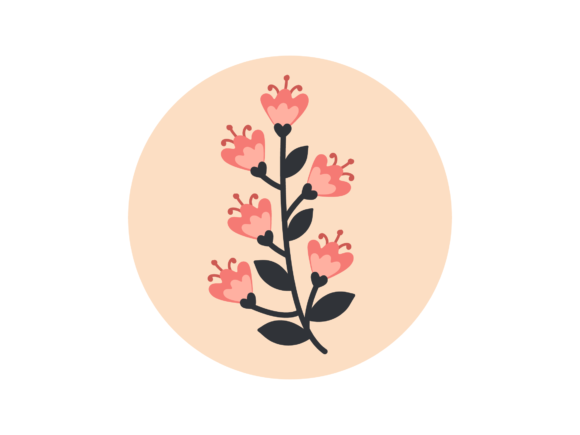
Reviewing Flower Peachy Pink for Real Embroidery Projects
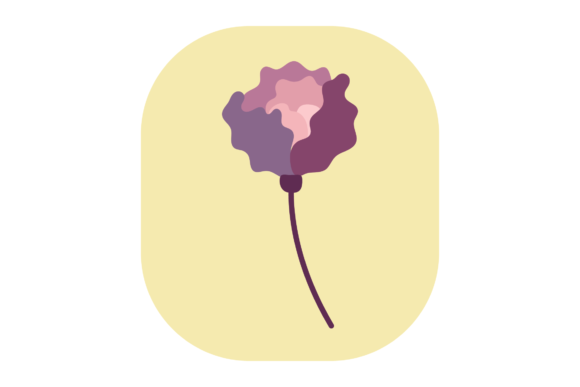
As a designer who has spent years digitizing and testing embroidery patterns, I have learned that the difference between a good design and a great one often comes down to how it translates from screen to fabric. When I first opened the Flower Peachy Pink file, my immediate impression was one of understated elegance. This is not a loud, complex pattern demanding attention with thousands of stitches. Instead, it is a simple, flat design that relies on clean lines and a soft color palette to make its statement. For those of us in the craft business, finding assets that balance visual appeal with stitching efficiency is rare.
The mood this design creates is gentle and inviting. The peachy pink hue suggests warmth, making it an ideal candidate for spring collections, baby showers, or boutique branding that aims for a approachable, handmade feel. Because it falls under the category of Illustrations and Graphics, it offers versatility beyond just thread. However, my focus here is strictly on how it performs as a machine embroidery design in real-world applications.
From Digital File to Finished Product
Let’s look at a practical scenario. Imagine you are preparing a custom order for a local boutique client who wants a line of embroidered tote bags. They need something that looks professional but does not take hours to stitch, keeping your production costs low. Flower Peachy Pink fits this brief perfectly. The flat design style means fewer jumps and less thread consumption compared to heavy fill stitch patterns. This efficiency is crucial for small shop owners who need to maintain healthy margins on items like tote bag designs or aprons.
In terms of visual personality, the simplicity of the flowers allows them to sit comfortably on various fabrics without overwhelming the material. I envision this working beautifully on sweatshirt embroidery, where a large, dense design might feel too heavy or stiff. The open nature of the flat design ensures the garment retains its drape and comfort. Similarly, for baby embroidery, the lack of aggressive satin stitch borders reduces the risk of irritation against sensitive skin, making it a thoughtful choice for onesies or burp cloths.
Performance Across Different Applications
When evaluating any digital embroidery file, I always consider where it shines and where it might struggle. Flower Peachy Pink excels in areas that benefit from clarity and minimalism. It is an excellent choice for personalized gifts such as kitchen towels or pillow covers. On textured fabrics like waffle weave or linen, the clean lines of the design remain distinct, whereas highly detailed patterns often get lost in the weave.
For Etsy sellers and creative entrepreneurs, this design offers strong potential for holiday embroidery projects. Think of pastel-themed Easter baskets or soft, romantic Valentine’s Day items. The peachy tone is versatile enough to pair with creams, whites, and light grays, allowing for easy coordination with existing inventory. It also serves well as a decorative accent on caps. While curved surfaces like hats can be tricky for embroidery, a simple flat design minimizes puckering issues that often plague complex, dense patterns.
However, we must be realistic about limitations. If you are planning to use this on dark fabric, you will need to carefully select your thread colors. A light peach on black cotton may lack contrast unless you use a bright white underlay or choose a more vibrant thread shade. Always test your thread color contrast on scrap fabric before committing to the final product. This step is non-negotiable for maintaining professionalism and customer trust.
Technical Considerations for Designers
One of the most important aspects of using pre-made graphics is understanding what you are actually buying. The product description for Flower Peachy Pink states that the zip file includes Ai CS6, EPS CS6, SVG 1.1, PSD, PNG, and JPEG formats. It is vital to note that these are vector and raster image formats, not native machine embroidery files like DST or PES.
This distinction matters significantly. As an experienced reviewer, I must advise that you cannot simply load an SVG or AI file into your embroidery machine. You will need to use digitizing software to convert these graphics into a stitch file, or hire a digitizer if you are not comfortable doing it yourself. This conversion process gives you control over stitch density, stitch type (such as choosing between running stitch for outlines or fill stitch for larger areas), and hoop size compatibility.
When digitizing this specific design, pay close attention to the corners of the flower petals. Sharp angles in vector graphics can translate poorly into thread if not properly smoothed out. Ensure your stabilizer choice matches your fabric texture. For stretchy fabrics like jersey t-shirts, a cut-away stabilizer is essential to prevent distortion, while woven fabrics like canvas tote bags may only require a tear-away.
Enhancing Brand Value and Customer Engagement
Why does this matter for your bottom line? Because consistency builds brand recognition. Using a cohesive set of design assets like Flower Peachy Pink across your product line creates a unified look. Whether you are selling an embroidered patch, a custom apparel item, or a printable mockup for digital products, the quality of the underlying graphic dictates the perceived value of the finished product.
Customers can sense when a design is rushed or poorly executed. A clean, well-balanced floral motif signals care and attention to detail. It enhances the giftability of your items. A recipient is more likely to cherish a personalized gift that looks intentional and polished rather than cluttered or messy. For commercial embroidery projects, this level of polish helps justify higher price points and fosters buyer engagement.
Final Verdict and Practical Advice
Before you integrate Flower Peachy Pink into your workflow, take a moment to review the licensing terms. Since the provided description lists it as a graphic asset, ensure you have the right to use the resulting embroidered items for commercial sale. Most graphic licenses allow for physical end products, but it is always safer to confirm.
Test the design in black and white mockups first. This helps you evaluate the shape and balance without the distraction of color. If the silhouette holds up in monochrome, it will likely succeed in thread. Check whether the design works for both personal and commercial projects based on your specific license agreement.
In summary, Flower Peachy Pink is a strong contender for designers seeking simplicity and versatility. It is not a one-size-fits-all solution, but for the right project—such as a light spring dress, a chic tote, or a delicate baby blanket—it offers a refined aesthetic that appeals to modern tastes. By respecting the technical requirements of converting vector graphics to stitch files and choosing the right materials, you can turn this simple illustration into a standout bestseller in your small shop.