Lisianthus Paper Flower Templates Review
As a designer who has spent years navigating the intricate world of embroidery files, I often find myself skeptical of new releases. The market is flooded with generic floral patterns that look great on a screen but fall apart under the needle. However, when I first opened the Lisianthus Paper Flower Templates, my perspective shifted immediately. This isn't just another decorative element; it feels like a deliberate attempt to bridge the gap between digital artistry and tangible textile craft.
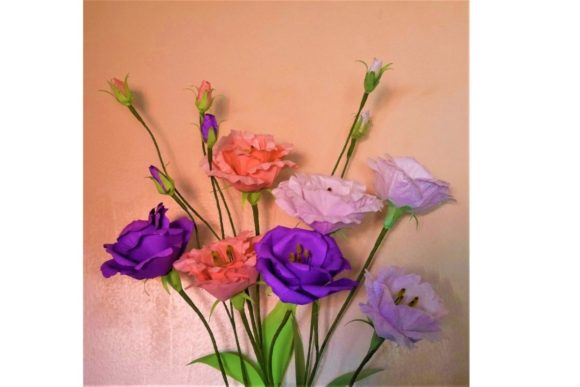
The moment you load this design into your software, the visual personality stands out. Unlike rigid geometric shapes or overly simplified silhouettes, the Lisianthus captures a specific organic mood. It feels soft yet structured, perfect for projects where you want to convey elegance without being overpowering. For those of us running small shops or crafting personalized gifts, this design offers a level of sophistication that customers instantly recognize as high-quality work.
Real-World Application: From Screen to Stitch
I recently tested this file while preparing a custom order for a boutique client who wanted embroidered tote bags for a wedding party. The challenge was always finding a floral motif that looked professional on canvas fabric without becoming too heavy or losing definition in the stitching. The Lisianthus Paper Flower Templates proved to be an ideal candidate for this scenario.
When I ran a test stitch on a scrap piece of canvas, the flow of the petals translated beautifully. The design avoids the common pitfall of dense fill stitches that can cause puckering on thicker materials. Instead, it utilizes a balanced approach that respects the texture of the fabric. On the finished tote bag, the flowers didn't just sit on top of the material; they seemed to integrate with it. The clients were thrilled because the result felt less like a mass-produced sticker and more like a genuine artisan touch. This kind of reaction is exactly what every Etsy seller or small business owner dreams of.
Beyond tote bags, I envision this design thriving on sweatshirts and baby clothes. The medium difficulty rating suggests that the stitch count is substantial enough to hold its shape but not so complex that it becomes frustrating to execute. For a nursery pillow cover or a onesie, the delicate nature of the Lisianthus creates a gentle, welcoming aesthetic. It adds value to the finished product, making a simple garment feel like a cherished keepsake.
Navigating Technical Challenges
While the design is versatile, no single file works perfectly in every situation. As an experienced reviewer, I need to point out where caution is required. If you are planning to use this on a curved surface like a baseball cap or a fitted hat, you will need to exercise extra care. The natural curves of the flower petals might distort if the hoop placement isn't precise on such a tight radius.
Similarly, textured fabrics present a unique hurdle. While the design handles standard cotton blends well, highly textured materials like bouclé or thick chenille could obscure the finer details of the leaves. In these cases, the contrast between the thread and the fabric becomes critical. You must ensure your thread colors are chosen with the fabric texture in mind. A light pastel thread might disappear into a beige textured background, ruining the intended effect.
Another area to watch is small hoop sizes. If you are creating tiny embroidered patches or detailing on apron pockets, check the dimensions of the individual petals. Sometimes, designs that look spacious on a computer monitor become cramped when reduced to fit a 4x4 hoop. The fine lines of the Lisianthus require enough space to breathe; otherwise, the satin stitches may merge, creating a muddy appearance rather than distinct petal shapes.
Material Matters: Fabric and Stabilizer
For stretchy fabrics like jersey or knits, which are popular for custom apparel and baby items, stabilizer choice is non-negotiable. The weight of the embroidery needs to be supported by a cut-away stabilizer to prevent the fabric from warping over time. Without proper support, the stitch density of the Lisianthus could pull the fabric out of shape, leading to a distorted flower that looks unprofessional.
If you are working with dark fabrics, the color palette of your thread selection becomes even more vital. A white or silver thread will pop against black denim, creating a striking modern look, whereas a darker thread might get lost. Always test your design in black and white mockups before committing to expensive threads. This step helps you visualize the contrast and ensures the design retains its integrity regardless of the base color.
Design Assets and Commercial Potential
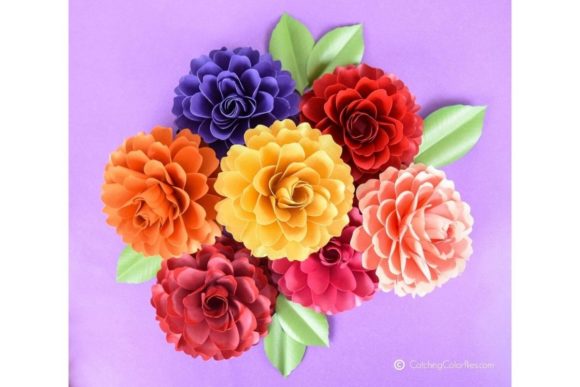
For digital product sellers and creative entrepreneurs, the Lisianthus Paper Flower Templates offer significant potential as part of a larger collection. The inclusion of leaf elements allows for dynamic composition adjustments. You can arrange them in a scattered pattern for a whimsical vibe or cluster them tightly for a bold statement piece. This flexibility is crucial for maintaining brand consistency across different product lines, whether you are selling printable mockups or physical goods.
When listing these as commercial embroidery projects, transparency is key. The product description notes that experience in paper flower making is recommended, which hints at the complexity involved. Even though this is an embroidery file, the aesthetic mimics the layered depth of paper crafts. Customers appreciate this nuance. It elevates the perceived value of the item, allowing you to price your handmade products higher because the design demonstrates skill and attention to detail.
However, before you start selling finished items featuring this design, confirm the licensing terms. Many digital assets have restrictions on how many units you can produce or whether you can resell the digital file itself. Ensuring you have the right permissions protects your small shop from legal issues down the line.
Practical Designer Notes for Success
To get the most out of this design, I strongly advise running a full test on scrap fabric first. Check the hoop size requirements and ensure your machine settings align with the file specifications. Inspect the small details closely; sometimes, the finest lines of the leaves can break up if the tension is off. Review the stitch density to see if any areas feel too heavy, and adjust your settings accordingly.
Don't forget to compare the design on both light and dark backgrounds during your testing phase. This ensures that the visual appeal remains consistent across your entire product range. Whether you are creating holiday gifts, wedding favors, or boutique branding, the clarity of the Lisianthus design will directly influence customer trust and engagement.
Ultimately, the Lisianthus Paper Flower Templates stand out as a reliable tool for serious makers. It balances artistic expression with technical feasibility, making it suitable for everything from personal hobbies to large-scale commercial production. By taking the time to understand its strengths and limitations, you can transform a simple digital file into a stunning finished product that resonates with buyers.